Ferrara, Italy, 7 September 2026
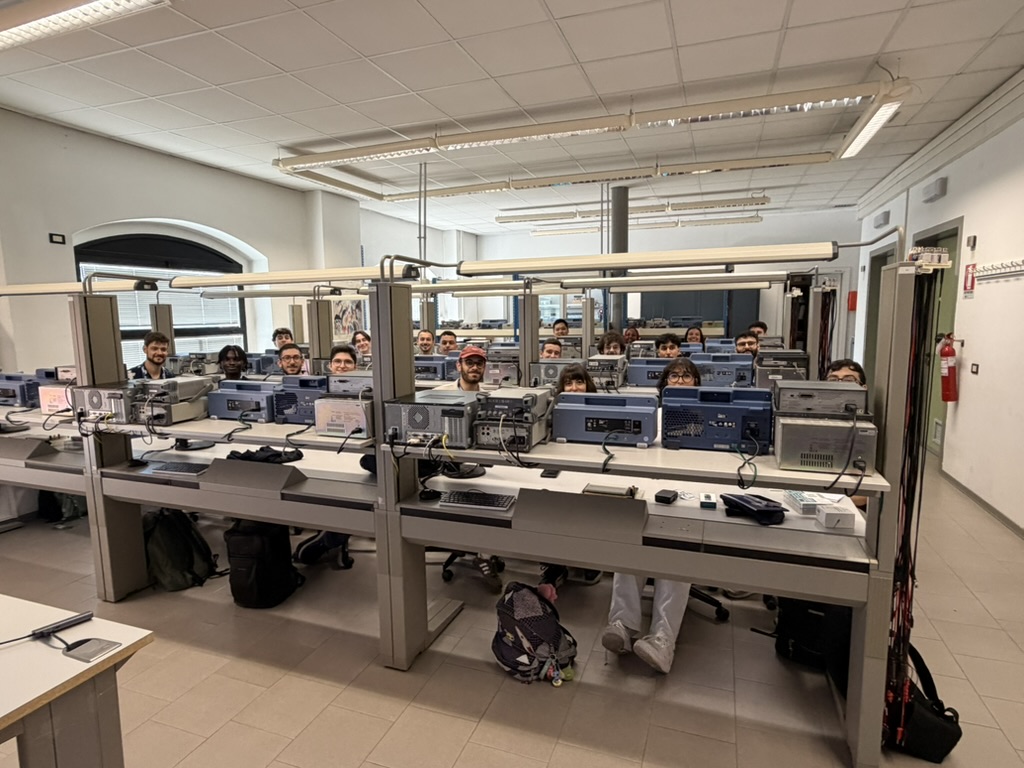
The DEEPCEL consortium is proud to launch its first international Student Week, hosted by the University of Ferrara (Università degli Studi di Ferrara) from 7 to 11 September 2026. This milestone event brings together students, academics, researchers, and industry representatives from across Europe for an intensive week dedicated to innovation, sustainability, and advanced electronics education.
As one of the flagship educational activities of the ERASMUS+ funded DEEPCEL project, the Student Week gathers 20 highly motivated students from the consortium’s four partner universities:
- University of Ferrara (Italy)
- Université de Tours (France)
- Universidad de Alcalá (Spain)
- Universidade do Porto (Portugal)
Throughout the week, participants will collaborate in multidisciplinary and multicultural teams, exploring cutting-edge approaches to Modular Design in Electronics while developing practical solutions to real-world technological challenges.
A Unique International Learning Experience
The DEEPCEL Student Week has been designed to provide students with far more than traditional classroom learning. The programme combines theoretical foundations, practical laboratory activities, team-based project development, and direct interaction with experts from both academia and industry.
Working closely with peers from different countries and educational backgrounds, students will have the opportunity to strengthen not only their technical expertise but also the intercultural and collaborative skills increasingly required in today’s global engineering landscape.
This first edition represents an important step toward DEEPCEL’s mission of fostering a new generation of engineers capable of designing intelligent, sustainable, and modular electronic systems.
Designing Sustainable AI-Enabled Electronic Systems
At the heart of the Student Week is a collaborative challenge focused on the development of eco-friendly AI systems for environmental data acquisition, processing, and inference.
Student teams will work with a range of modern open-source technologies, including:
- FPGA-based development platforms
- Arduino microcontrollers
- Environmental sensing systems
- Artificial intelligence algorithms
- Modular electronic architectures
By integrating these technologies, participants will learn how to design systems that are not only powerful and flexible but also energy-efficient and environmentally conscious. The emphasis on sustainability reflects the growing importance of responsible electronics design in an era of increasing digitalization and energy consumption.
Bridging Hardware and Software
One of the defining features of the training programme is its strong practical orientation.
Students will explore the complete development chain, moving from hardware description and digital design concepts toward higher-level software implementation. Through hands-on exercises, participants will gain experience in:
- VHDL-based digital system design
- FPGA programming and deployment
- Sensor interfacing and data acquisition
- Data processing workflows
- Python-based data analysis and application development
This integrated approach enables students to better understand the interaction between hardware and software components, a critical competency for future engineers working in embedded electronics and intelligent systems.
Learning from Leading Experts
The week also benefits from the participation of distinguished speakers and professionals representing both research institutions and industry.
Participants will attend seminars, workshops, and networking sessions delivered by experts from:
- Istituto Nazionale di Fisica Nucleare (INFN)
- Infineon Technologies
- Active Technologies
- Selcom
These sessions will provide valuable insights into current technological developments, industrial challenges, and emerging opportunities in electronics, digital design, and artificial intelligence.
By engaging directly with researchers and industry leaders, students will gain a clearer understanding of how academic knowledge can be translated into innovative products and solutions with real societal impact.
Strengthening European Collaboration
Beyond its technical objectives, the DEEPCEL Student Week embodies the spirit of European cooperation. Bringing together students from four countries and diverse academic cultures, the event serves as a platform for knowledge exchange, international networking, and long-term collaboration.
The friendships, professional connections, and project experiences developed during the week are expected to extend well beyond the duration of the event, contributing to a stronger European community of future engineers and innovators.
Looking Ahead
As the first DEEPCEL Student Week gets underway, participants are embarking on an exciting journey of learning, experimentation, and collaboration. Over the coming days, they will tackle complex engineering challenges, explore innovative technologies, and develop solutions addressing sustainability and intelligent electronics.
The entire DEEPCEL consortium looks forward to witnessing the creativity, teamwork, and technical excellence that will emerge from this inaugural edition.
Acknowledgements
The DEEPCEL consortium extends its sincere gratitude to its funding bodies, partner institutions, speakers, and organizers who have made this event possible.
DEEPCEL is funded through the support of Agence Erasmus+ France / Education Formation, whose commitment to European cooperation and educational innovation continues to create transformative learning opportunities for students across Europe.
Special thanks are also due to Cristian Zambelli and Fabio Schifano for their dedication and efforts in organizing this first Student Week at the University of Ferrara.
The launch of this inaugural event marks the beginning of an exciting chapter for DEEPCEL and an important investment in the next generation of European electronics engineers.
Leave a Reply